
What Happens If Your Car Is Towed in Mexico? A Tourist’s Guide to Getting It Back
By Rocio Morales |

Getting your car towed in Mexico can turn a great trip into a stressful scramble. However, with the right information, you can locate your vehicle, settle your paperwork, and retrieve your car without paying exorbitant unofficial fees.
At Sanborn’s Mexico Insurance, we have helped travelers navigate Mexican roads safely since 1948. When your car goes missing in Mexico, every hour counts. Here is our expert guide on what to do, what documents to bring, and how to resolve an impoundment quickly.
Key Takeaways
- Where towed cars go: Vehicles towed for parking violations, accidents, registration issues, or customs checks end up at an official municipal or federal impound lot, known as a corralón.
- Associated costs: You must pay traffic fines, towing charges, and daily storage fees (pensión) directly to official municipal cashiers.
- Insurance support: Sanborn’s Mexico Insurance policies include legal assistance and bilingual support to help you navigate local authorities and the release process following an accident.
- Mandatory documentation: Vehicle release requires your passport, driver’s license, vehicle title/registration, proof of Mexican auto insurance, and your Temporary Import Permit (TIP) if traveling outside the Free Zone.
Why Your Car May Be Towed in Mexico
Towing enforcement is strict across Mexican cities, tourists hubs and highway corridors. While municipal rules vary by state, the primary triggers remain uniform:
- Parking violations: Parking in front of a crossed-out “E” (No Estacionarse) sign, blocking driveways (cocheras), parking near corners or bus stops, or occupying handicap stalls without an official permit triggers immediate towing. Reviewing Mexico road signs before parking protects you from unexpected impounds.
- Traffic & Permit Violations: Mexican authorities impound foreign-plated vehicles for driving without valid Mexican auto insurance, expired registration, missing license plates, or lacking a required Banjercito Temporary Vehicle Importation Permit (TIP) outside the Free Zone. Discrepancies between physical Vehicle Identification Numbers (VIN) and vehicle titles also trigger impoundment for legal verification.
- Accidents: Traffic police routinely order all involved vehicles to a corralón following collisions involving injury, major property damage, or disputed liability until paperwork, investigations, and insurance settlements are resolved.
- Toll roads & Highways: Vehicles abandoned on shoulders, parked near toll plazas (casetas), or identified with unpaid tolls are removed by highway concession operators and the Guardia Nacional.
- Regional enforcement patterns: Major metros like Mexico City, Guadalajara, and Monterrey enforce automated and active towing strictly. Coastal destinations like Cancún and Puerto Vallarta actively target and tow rental vehicles parked illegally in beach and hotel zones.
Immediate Steps to Take When Your Car Is Gone
When you return to your parking spot and find an empty space, take these exact steps:
- Confirm it was towed, not stolen: Look for official tow warning signs on nearby light poles or walls. Ask store clerks, parking attendants, or hotel front desk staff. Many areas post a phone number for local police.
- Call 911 or local police: Dial Mexico’s nationwide 911 emergency service line. Provide your license plate number, request confirmation of the tow, and ask for the exact address of the assigned corralón.
- Contact your Mexico auto insurance company: If you have a policy with Sanborn’s, call HDI Seguros right away. Many policies include legal assistance and telephone guidance in Spanish with Mexican authorities. We can help you understand the procedure and your rights. You can also check who to call for help after car trouble in Mexico.
- Document key details: Record the exact street address, date, time, plate number, make, model, and any written notices taped to the curb or posted nearby.
- Visit the municipal transit office in person (Tránsito): In smaller towns, report directly to the local government or mayor’s office (Presidencia Municipal) to obtain your violation paperwork, if possible the same day.
- Stay calm and use official channels only: Pay fines strictly at official municipal cashier windows (Tesorería). Refuse cash transactions offered on the street by unauthorized individuals offering “quick fixes.”
How to Find Your Towed Car and Identify the Right Corralón
A corralón is an official impound lot operated by municipal traffic police or state agencies. Large metropolitan areas like Tijuana, Mexico City, and Monterrey maintain multiple lots serving distinct districts.
- Plate Verification: The transit office enters your vehicle plate or VIN into their municipal database to confirm the towing incident, exact corralón location, and timestamp of impoundment.
- Obtain Your Ticket (Acta): Authorities issue a printed violation ticket (acta) containing the corralón address, registered infraction, and an expediente (case file number) required for fine payment and release orders.
- Customs Impounds (SAT/Aduanas): In border cities, vehicles seized for customs or import irregularities enter federal impound lots managed directly by SAT (Servicio de Administración Tributaria). Federal impounds require specialized legal clearance beyond standard municipal procedures.
- Verify Lot Hours: Always obtain exact street directions and operating hours. Rural and municipal lots frequently enforce short weekday hours and close entirely on Sundays. Plan your trip to avoid getting stranded outside an industrial lot on a weekend.
Documents Required to Prove Ownership and Release Your Vehicle
Documentation is everything. Mexican authorities enforce strict document verification prior to authorizing a vehicle’s release. Carry original documents alongside printed copies and digital backups before heading to the transit office:
- Passport and Driver’s License: Valid government photo identification matching the exact name on the vehicle registration. Bring your official immigration document (FMM or residency card).
- Vehicle Title or Registration: Original title or current registration matching your ID. If your vehicle is financed and the lender holds the title, authorities accept a current registration accompanied by proof of insurance.
- Vehicle identification number verification: Officers inspect the dashboard and door-frame VIN plates against your registration documents to rule out theft or illegal importation.
- Temporary Import Permit (TIP): If you drive beyond the border Free Zone (which includes the Baja Peninsula, northwest Sonora, and the 20 km border strip), present your valid Banjercito TIP permit document. Missing TIP documentation escalates municipal impounds to federal customs cases.
- Proof of Mexico auto insurance: Printed or digital proof of your active Mexican auto liability policy. Mexican law mandates valid insurance coverage for vehicle release.
- Notarized Power of Attorney (If driving someone else’s car): Non-owners must present a notarized letter of authorization in English and Spanish signed by the registered owner, accompanied by a copy of the owner’s ID. If a family member or friend owns the car, check our guide on driving someone else’s car into Mexico.
Paying Fines, Fees, and Securing the Release Order
Costs come from three sources: the traffic fine, the tow fee, and daily storage. The amount and type of payment depend on the applicable local rules and the reason for detention.
- Traffic Fine: Set by municipal code based on the specific infraction.
- Towing Charge: Calculated based on vehicle size and distance towed to the corralón.
- Daily Storage (Pensión): Accrues every 24 hours your vehicle remains in custody.
Official Payment and Release Process
- Payment Methods: Municipal cashier windows (Tesorería) require payment in Mexican pesos. Select border municipalities accept credit cards, but carrying sufficient cash in pesos prevents payment delays.
- Obtain the Release Order (Oficio de Liberación): Present your paid fine receipts at the transit headquarters to receive your official release order.
- Corralón Retrieval: Present the stamped release order, paid receipts, and original identity documents to the gatekeeper at the impound lot to take possession of your vehicle.
Note: Mexico insurance policies do not cover municipal traffic fines, towing penalties, or impound storage fees.
Tows Resulting from Traffic Accidents or Legal Disputes
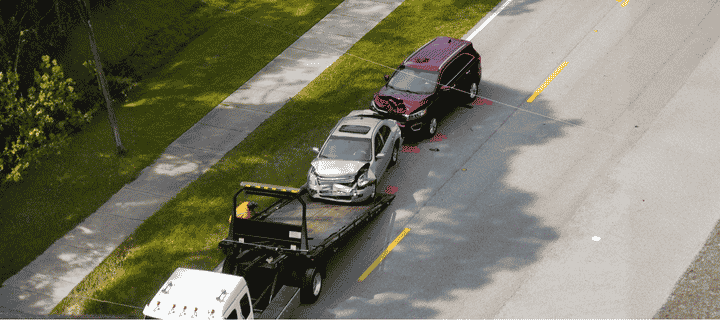
Accident-related impounds follow strict judicial procedures. Under Mexican law, motor vehicle collisions involve civil liability and potential criminal oversight when injuries occur.
When collisions result in significant property damage or injuries, traffic police or the Guardia Nacional impound all involved vehicles pending legal determination of fault and financial restitution.
Handling an Accident Impound:
- Immediate Insurer Notification: If you have a Sanborn’s policy, contact HDI Seguros claims department from the accident scene. They will dispatch an official claims adjuster (ajustador) to negotiate directly with traffic officers, oversee vehicle towing to approved facilities, and handle initial documentation. Follow their instructions.
- Legal Representation: Sanborn’s policies feature integrated legal defense coverage and bail bond assistance to represent you before the Ministerio Público (district attorney). This is important, because liability laws in Mexico treat auto accidents as both civil and, in injury cases, potentially criminal matters.
- Document Review: Never sign legal statements or settlement agreements in Spanish without your assigned legal counsel or adjuster translating and confirming the contents.
Cross-Border and Customs Complications
Border-area towing adds layers of complexity. Towing procedures have become more complicated due to customs regulations in recent years.
- SAT/Customs Seizures: Operating outside the Free Zone without a valid Banjercito TIP or driving an improperly registered foreign vehicle allows SAT officials to seize the car under federal law. Federal impounds risk substantial tax surcharges, administrative penalties, or permanent vehicle forfeiture.
- S. Stolen Vehicle Recovery: If Mexican authorities recover your U.S.-stolen vehicle in Mexico, coordinate with the nearest U.S. Consulate to secure official clearance letters. Vehicle owners must claim recovered assets within 45 days of notification to prevent state forfeiture and auction.
- Cross-Border Towing Rules: Transporting a disabled vehicle across the U.S.–Mexico border requires valid registration, personal identification, and a certified cross-border towing contract complying with border transit laws.
- Unclaimed Vehicles: Municipalities list unclaimed vehicles as abandoned property after designated statutory timelines, placing them up for public auction.
Contact both your Mexico auto insurance company and, if you are a U.S. citizen, your nearest consulate for guidance.
Practical Tips to Avoid Getting Towed in Mexico
Prevention is always cheaper than a corralón visit. Here is how to protect yourself.
- Park in Designated Areas Only: Park exclusively where other vehicles are legally parked, away from red-painted curbs, bus stops, and marked driveways (no estacionarse).
- Use Secure Parking Garages (Estacionamientos): Pay small hourly fees at commercial garages or hotel parking lots to protect your vehicle from street enforcement.
- Learn Crucial Spanish Terms: Recognize Grúa (Tow Truck), No Estacionarse (No Parking), and Se Usará Grúa (Tow-Away Zone).
- Maintain Valid Documentation: Keep your plates, registration stickers, TIP, and Mexican auto insurance current and accessible.
- Secure Mandatory Insurance Coverage: Mexican car insurance is mandatory for all drivers in Mexico. Carrying valid coverage satisfies local legal requirements during traffic stops.
- Handle Toll Road Breakdowns Promptly: If your car breaks down on a toll highway (cuota), call the emergency number printed on your toll receipt for official assistance rather than leaving your vehicle on the shoulder.
- Avoid Speed Bump Damage: Slow down for steep, unmarked speed bumps (topes) in small towns to prevent mechanical damage that leaves your car stranded.
- Plan overnight parking: Assuming you will find safe street parking after dark is risky. Book accommodations with secure parking and avoid leaving the car for long periods in isolated areas.
Why Sanborn’s Mexico Insurance Is Essential for Impound Protection
U.S. auto insurance policies do not satisfy the mandatory Mexican legal liability requirements. Securing dedicated coverage from Sanborn’s ensures immediate protection and administrative backing if your car is impounded.
- Legal compliance: Sanborn’s Mexico Insurance policies satisfy Mexican legal mandates, preventing additional fines or extended impoundment. Read why American car insurance does not work in Mexico.
- Legal assistance: Our coverage provides legal defense and professional interpreters to communicate with police and transit officials in the event of an accident.
- Covered Towing Benefits: While traffic fines are excluded, Sanborn’s policies include roadside assistance and towing services for covered mechanical issues and accidents.
- Instant Digital proof: Download policy documents directly to your smartphone for instant presentation to traffic officers or impound staff.
- Trailer & Towed Unit Protection: Secure dedicated coverage for towed trailers, RVs, or secondary vehicles before crossing the border.
- Flexible terms: Coverage options can be short-term or long-term for travelers, whether you prefer a weekend policy or six-month protection.
Frequently Asked Questions About Cars Towed in Mexico
Can I Get My Car Back in Mexico If I Lost the Original Title?
Most municipal transit offices accept a current vehicle registration alongside your matching passport and driver’s license if a lender holds the original title. If you lack all physical proof of ownership, authorities will deny release. We recommend storing digital scans of your title and registration online so you can print copies if needed.
What Happens If My Rental Car Is Towed in Mexico?
Contact your rental agency immediately. Rental companies manage impound releases directly with local transit authorities and the corralón. You remain liable for parking fines, tow charges, and agency administrative fees. Retain all violation tickets, corralón receipts, and police reports to verify charges.
Can I Leave Mexico While My Car Remains in a Corralón?
Yes, you can cross the border on foot or via alternative transportation, but daily storage fees (pensión) will continue to accrue. Unclaimed vehicles are eventually declared abandoned and auctioned by the government. If you must depart, execute a notarized power of attorney authorizing a representative in Mexico to complete the release process on your behalf.
Do Mexican Impound Lots Accept U.S. Dollars or Credit Cards?
Payment rules vary by municipality. Major tourist regions and state capitals may accept credit cards or U.S. dollars at government cashier windows (Tesorería), but most municipal offices accept Mexican pesos only. Always convert currency at official banks or ATMs before arriving at the cashier window.
How Long Does It Take to Release a Towed car?
Simple parking infractions paid for early on the business day are usually resolved within a few hours. Complex cases involving traffic collisions, missing documentation, or SAT customs holds take several days. Contacting your insurer immediately and presenting complete paperwork ensures the fastest possible release.
Get Covered with Sanborn’s Mexico Insurance Today
Don’t risk delays, fines, or legal complications if your car is towed in Mexico. Get covered with Sanborn’s before you cross the border. Our easy online process lets you get an instant quote and buy Mexico auto insurance coverage tailored to your trip. Need more help? Call us at 800-222-0158 or visit a nearby office or kiosk for personalized assistance.

