
Crossing from Baja to Mainland Mexico by Ferry: Everything You Need to Know
By Rocio Morales |

Planning to drive down the Baja Peninsula and continue your road trip into mainland Mexico? Taking a vehicle ferry across the Sea of Cortez is a scenic, practical shortcut that saves thousands of miles of driving back up through northern border states.
Crossing from Baja to mainland Mexico involves specific vehicle permits, port weigh-ins, and auto insurance adjustments. This complete guide covers ferry routes, vehicle requirements, Banjercito TIP permits, and essential Mexican auto insurance details.
Ferry Operators, Routes and Schedules
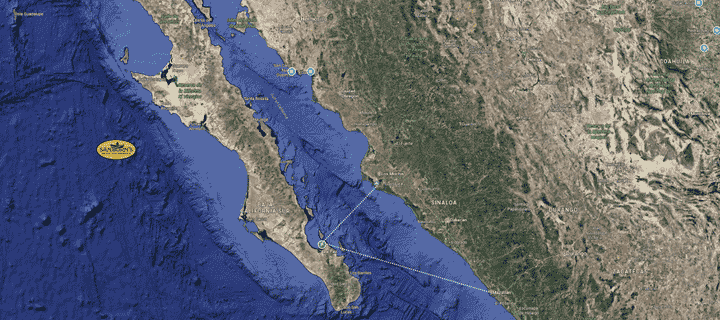
Two primary ferry operators run vehicle and passenger services from the Pichilingue Maritime Terminal in La Paz, Baja California Sur, across the Sea of Cortez to Sinaloa on the mainland:
- Baja Ferries: Geared toward standard passenger vehicles, foot travelers, and tourists. Offers private cabins, cafeteria dining, and assigned seating. Passengers cannot stay in their vehicles during transit. Book your crossing in advance through the Baja Ferries website. Because weather and operating conditions can affect departures, check your sailing information again as your travel date approaches. Baja Ferries also posts updates on its official Facebook page, which can be helpful for weather-related or last-minute changes. Sanborn’s Baja Ferries guide also provides information for travelers planning to cross with a vehicle.
- TMC (Transportación Marítima de California): Primarily a commercial cargo ferry that accepts passenger cars, RVs, and campervans. TMC allows travelers to remain inside their vehicles (or camper vans) with pets during the crossing, making it a popular pick for overlanders.
Primary Ferry Routes:
- La Paz (Pichilingue) to Mazatlan Sinaloa: ~ 12 to 16 hours. Ideal for travelers heading along the Pacific Coast or down into Central Mexico.
- La Paz (Pichilingue) to Topolobampo (Los Mochis), Sinaloa: ~7 to 9 hours. The shortest sea crossing, ideal for travel toward northern or central interior routes.
Space for passenger cars, RVs, and oversized vehicles fills up quickly. Reserve your tickets directly through Baja Ferries or TMC prior to driving to Pichilingue. Schedules vary seasonally, so reconfirm your departure times close to your travel date.
What to Prepare Before Driving to Pichilingue
Before driving to Pichilingue, book your crossing in advance directly through the Baja Ferries website or TMC (Transportación Marítima de California) and make sure you have the required documents for your vehicle and your trip to mainland Mexico.
Pichilingue is about an 18-hour drive from the U.S.-Mexico border, so prepare your paperwork before making the drive south through Baja rather than waiting until you reach the ferry terminal.
When entering Mexico at the border, complete the applicable immigration process and validate your documents, including your FMM or tourist card.
Keep your immigration, vehicle, insurance, and ferry documents accessible throughout the trip. Customs and immigration officials may review your documentation again as part of the ferry process.
What Documents Do You Need for the Baja Ferry Crossing?
When arriving at the Pichilingue terminal for check-in and customs inspection, you must present the following:
- A valid passport or official travel document
- A valid driver’s license
- Vehicle title or current registration
- Proof of legal entry / Immigration status (Passport entry stamp, active FMM)
- Temporary Vehicle Importation Permit (TIP)
- Mexican auto insurance that covers all of Mexico
- Your ferry reservation confirmation and weight scale receipt
If driving a leased, financed, or company-owned vehicle, bring a notarized letter of authorization from the lender or owner allowing the vehicle to enter mainland Mexico.
Driving into Baja California: What to Know Before You Go
Before driving south through Baja toward the Pichilingue ferry terminal, make sure your immigration documents, vehicle paperwork and Mexican auto insurance are in order.
The Baja Peninsula is within Mexico’s vehicle free zone, so foreign-plated vehicles staying within Baja don’t need a Temporary Vehicle Importation Permit. However, a TIP is mandatory when you continue by ferry to mainland Mexico and drive outside the Free Zone.
For additional information about entering the peninsula, review Sanborn’s Baja and Sonora border crossing guide.
Do You Need a TIP to Drive in Baja?
You don’t need a TIP to drive a foreign-plated vehicle within the Baja Peninsula. The requirement changes when you take the vehicle to mainland Mexico and continue driving outside the Free Zone.
Banjercito is the official entity authorized to issue TIPs. For more information about the process, review Sanborn’s Temporary Vehicle Importation Permit guide or apply through the official Banjercito vehicle permit website.
Get Your TIP Before Reaching Pichilingue
Banjercito is the sole Mexican government agency authorized to issue TIPs. Travelers can apply for a TIP online in advance through Banjercito 10 to 60 days before your trip. Applying in advance can help you avoid relying on the ferry terminal office shortly before departure, when lines may be longer.
Buying your TIP online doesn’t replace applicable immigration or entry procedures. Complete any required validation when entering Mexico and keep your TIP and supporting documents with you while driving through Baja.
Can You Get a TIP at the Pichilingue Ferry Terminal?
If you did not get your permit at the land border or online, Banjercito has a module at the Pichilingue Maritime Terminal:
Banjercito Módulo Terminal Marítima Pichilingue
Interior de la Terminal Marítima de Pichilingue
Carretera Pichilingue Km. 17, C.P. 23000, La Paz, Baja California Sur, Mexico
Phone: +52 (612) 123-4457
TIP inquiries: permisovehiculos@banjercito.com.mx
The office’s availability may correspond with ferry operations, and lines can be longer before departures. Verify current operating hours directly with Banjercito before your trip and obtain your TIP online in advance when possible.
Do You Still Need to Stop at the Border if You Bought Your TIP Online?
Buying a TIP online doesn’t replace applicable Mexican immigration and entry procedures. Complete any required immigration processing and document validation when entering Mexico rather than waiting until you reach Pichilingue.
Keep your validated documentation accessible because authorities may review it again as part of the ferry and mainland entry process.
How to Book the Baja Ferry in Advance
Vehicle space can be limited, so booking ahead is recommended.
When making your reservation:
- Select your route and travel date.
- Enter the correct number of passengers.
- Provide accurate information about your vehicle.
- Include any trailer or additional equipment.
- Review current documentation and boarding requirements.
- Keep your confirmation available for check-in.
If you’re traveling with an RV, trailer, or oversized vehicle, verify the appropriate vehicle category before completing your reservation.
Vehicle Requirements and Restrictions for the Baja Ferry
Baja Ferries and TMC accept a wide range of vehicles, including passenger cars, pickups, SUVs, campervans, motorcycles, motorhomes/RVs, trailers and commercial vehicles. However, their vehicle categorization, pricing structures, and aboard-ship policies are different:
Key differences between operators:
- Baja Ferries: Charges primarily by vehicle class, fixed height/length tiers, and passenger count. All passenger vehicles must clear the lower vehicle decks during transit, and passengers travel in upstairs lounges or private cabins.
- TMC: Operates on a cargo-first structure where pricing is calculated heavily by overall vehicle length and weight on the port scale. TMC permits overlanders, RVers and campervan travelers to sleep inside their vehicles on deck during the crossing with their pets.
Your vehicle’s type, size, and weight may affect its reservation category and requirements.
Provide accurate information about your complete vehicle setup, particularly if you’re traveling with:
- An RV or motorhome
- A pickup with a camper
- A travel trailer
- A vehicle towing another vehicle
- An oversized vehicle
- A commercial or heavy vehicle
Don’t assume a standard passenger-vehicle reservation includes a trailer or oversized setup. Check current the ferry line requirements for your specific vehicle when booking.
What to Expect When Boarding at Pichilingue
When traveling with a vehicle, plan to arrive at the port at least three hours before departure to allow time for check-in, document review and vehicle processing. Check Baja Ferries and TMC before your trip for the current minimum check-in time that applies to your sailing and vehicle type.
Vehicles must drive onto a certified port scale to verify weight and total length, which determines ticket pricing.
Port personnel and military officers will inspect vehicle contents and review your paperwork before loading. Keep your passport, immigration documentation, driver’s license, vehicle title or registration, TIP, Mexican auto insurance and ferry reservation readily accessible.
A paid reservation doesn’t replace the required documentation, and travelers who don’t have the necessary paperwork will not be permitted to load their vehicle.
What Happens When You Arrive on Mainland Mexico?
After arriving in Topolobampo or Mazatlán, follow instructions from ferry and port personnel while unloading. Travelers may undergo customs, security, or agricultural inspections before exiting the port.
Have your vehicle registration, TIP, immigration paperwork and Mexican auto insurance accessible until you’ve completed the required port procedures.
Before leaving the port, know your route, fuel stops and planned overnight destination. Road conditions, toll roads, driving distances and available services can vary depending on your mainland route, so planning the first part of your drive before boarding can make the transition easier.
Does Your Mexican Auto Insurance Cover Both Baja and the Mainland?
Don’t assume a Mexican auto insurance policy purchased for a Baja trip automatically provides the same coverage on mainland Mexico.
Some policies provide coverage throughout Mexico, while others may have territorial restrictions, such as coverage limited to Baja and Sonora. Before boarding the ferry, check the territory listed on your policy and make sure it includes every area you plan to drive.
If your existing policy is geographically restricted, you may need different or additional coverage for the mainland portion of your trip. Our agents at Sanborn’s Mexico Auto Insurance can help you review available coverage options for your itinerary.
Does Mexican Auto Insurance Cover Your Vehicle on the Ferry?
Coverage while your vehicle is being transported aboard a ferry depends on the terms, conditions and exclusions of your individual policy.
Before your trip, ask your insurance provider whether coverage applies during ferry or maritime transport. You should also review the ferry’s current conditions of service for information about the ferry operator’s responsibilities and limitations.
What Your Mexican Auto Insurance Policy Covers on This Route
Mexican auto insurance policies vary, but available coverage may include:
- Physical damage
- Total theft
- Third-party liability
- Excess liability in the event of the death of a third party
- Medical expenses
- Legal assistance and bail bond
- Roadside assistance
- Gap
- Vandalism and partial theft
The specific coverage, limits, exclusions, and territorial restrictions depend on the policy you select. Review your policy before leaving Baja so you understand what protection applies while driving on the mainland.
If you’re unsure whether your current policy is appropriate for the entire trip, speak with one of our agents at Sanborn’s Mexico Auto Insurance before your ferry departure.
Get Mexican Auto Insurance That Covers Baja and the Mainland. Fast Quotes from Sanborn’s.
Crossing the Sea of Cortez by ferry requires additional planning, particularly when it comes to vehicle documents and insurance. Before driving to Pichilingue, make sure your paperwork is ready and your Mexican auto insurance covers the mainland destinations on your itinerary.
Sanborn’s Mexico Auto Insurance, Banjercito and Baja Ferries each serve a different purpose. Sanborn’s can help you review Mexican auto insurance options, Banjercito is the official source for the Temporary Vehicle Importation Permit, and Baja Ferries handles your ferry reservation and transportation across the Sea of Cortez.
Get a Mexican auto insurance quote from Sanborn’s before your trip or contact us at 800-222-0158 for additional information.
Frequently Asked Questions About Crossing from Baja to Mainland Mexico
How do I take my car on the ferry from Baja to mainland Mexico?
Book your vehicle crossing with Baja Ferries or TMC in advance, prepare the required immigration and vehicle documents, obtain a Banjercito TIP for mainland driving, and secure your Mexican auto insurance policy with mainland territory coverage. Plan to arrive at Pichilingue at least three hours before departure for check-in and vehicle processing.
Do I need a Banjercito TIP permit to drive in Baja?
No. A foreign-plated vehicle staying within the Baja Peninsula doesn’t require a TIP. You need the permit when taking the vehicle to mainland Mexico.
Can I obtain a Banjercito TIP at the La Paz ferry terminal?
A Banjercito module is located at the Pichilingue Maritime Terminal. However, travelers should verify current operating hours and availability before relying on the terminal location. Obtaining the permit online in advance can help prevent last-minute delays.
Does Mexican car insurance cover my vehicle while on the Baja ferry?
It depends on the terms and exclusions of your specific policy. Confirm with your insurance provider whether coverage applies while your vehicle is being transported aboard the ferry and review their conditions of service before departure.
Do I need to stop at the border if I bought my TIP online?
Yes, you still need to complete applicable Mexican immigration and entry procedures. Buying a TIP online doesn’t replace required immigration processing or document validation when entering Mexico.


Ready To Get A Quick Quote?

