
Where and When to Cross the Mexican Border by Car
By Rocio Morales |

How to Prepare for Your Mexico Border Crossing
If you are planning to cross the Mexican border by car from the U.S., several major ports of entry are available, each best suited depending on your destination. For Baja California and Tijuana, San Ysidro in California is ideal. Travelers heading to the interior of Sonora or farther into Mexico often use Nogales, Arizona, while Lukeville is the preferred crossing for Puerto Peñasco (Rocky Point) and San Luis serves local border travel. In Texas, Laredo is the primary crossing for travelers heading to Monterrey and central Mexico, while McAllen and Hidalgo provide convenient access to destinations in eastern Mexico. Knowing your route before arrival ensures a smoother, less stressful trip, whether you’re a first-time visitor, vacationer, commuter, or frequent cross-border driver.
Choosing the correct crossing on the most practical route and timing your arrival to avoid long waits is key. Some crossings are busier, have limited hours, or restrict passenger vehicles. This guide explains where to cross the Mexican border by car based on your destination, when to cross, how to check wait times, and what to expect if Mexican customs officials ask you to stop for inspection.
If you plan to travel beyond the free zone (more than 12 to 18 miles inland), a Temporary Vehicle Importation Permit (TIP) is required, though Baja California and much of western Sonora are generally TIP-exempt. Many drivers also need a tourist visa (Forma Migratoria Múltiple or FMM), even if a formal visa isn’t required. Both can be purchased online or at the border. It’s important that permit details match your vehicle and travel documents exactly to avoid delays or lost deposits.
Before leaving, ensure you have the correct Mexico auto insurance. U.S. car insurance isn’t valid in Mexico, so purchasing coverage ahead of time removes worry at the border. Sanborn’s Mexico Car Insurance offers affordable, easy-to-buy policies online, providing liability coverage, legal assistance, and more for a stress-free, compliant trip.
Best Mexico Border Crossings by US State
Where you are going once you cross the U.S.‑Mexico border will determine which border crossing to use. There are plenty of them at the borders in California, Arizona, Texas and New Mexico. Even though some may look like the shortest route, there may be reasons to choose a different one, including hours open and the situation on the Mexican side as it pertains to roads and routes to your destination.
If possible, traveling a little further inside the U.S. border is preferable to beginning in a spot in Mexico where the infrastructure may not be as good.
Here are some choices for driving into Mexico based on destination. Keep in mind that crossings back into the U.S. are typically busier on Sundays.
Crossing into Mexico from Texas: Popular Border Routes
Texas offers several convenient border crossings into Mexico, and the best option depends on your destination. Whether you’re traveling to Monterrey or continuing into Mexico’s interior, choosing the right port of entry can help make your trip smoother and more efficient.
El Paso–Juárez: Gateway to Mexico’s Interior
The primary gateway for drivers heading into Chihuahua and central and interior Mexico via Highway 45.
Laredo to Monterrey
The Colombia Solidarity Bridge is a popular choice for travelers heading to Monterrey and Central Mexico. Located west of Laredo, it bypasses city traffic and provides direct access to Mexican Highway 85D.
McAllen/Hidalgo to Monterrey
The Anzaldúas International Bridge preferred by passenger vehicles heading toward Reynosa and Eastern Mexico. Because commercial truck traffic is restricted here, lines move more efficiently.
Best Time to Cross
Cross as early in the morning as possible while driving in daylight. Traffic typically increases later in the day and during weekends and holidays. Having your travel documents ready before reaching the inspection area can also help reduce delays.
Crossing into Mexico from Arizona: Rocky Point and Sonora
Arizona provides convenient access to Puerto Peñasco (Rocky Point) and other destinations throughout Sonora. Whether you’re planning a quick weekend getaway or a longer vacation, selecting the right border crossing can help reduce travel time and make your trip more enjoyable.
Best Port of Entry
The two primary border crossings for travelers heading to Rocky Point are the San Luis Port of Entry and the Lukeville Port of Entry.
Lukeville Port of Entry: The shortest and most direct route to Puerto Peñasco (Rocky Point). Operating hours are open daily from 6 a.m. to 8 p.m. and may extend on Fridays to 10 p.m. during peak holiday seasons. Always verify current operating status with CBP Lukeville POE.
San Luis Port of Entry: Located near Yuma, this crossing is open 24 hours a day, and preferred by travelers coming from the East coast. This crossing averages about a 37-minute wait. After crossing, most travelers continue along the Sonoran Coastal Highway, Carretera del Golfo de Santa Clara to Rocky Point, providing a reliable alternative when traveling outside Lukeville’s operating hours.
Best Time to Cross
Plan to cross as early in the day as possible and, ideally, no later than 4 or 5 p.m. Long lines are common on weekends, holidays, and other peak travel periods, with waiting times sometimes stretching for miles. The Lukeville Port of Entry is typically open from 6 a.m. to 8 p.m., with extended hours until 10 p.m. on some Fridays during peak travel seasons. Because hours may change, always check with U.S. Customs and Border Protection (CBP) before your trip to confirm current operating hours and border wait times. Travelers using the San Luis Port of Entry have more flexibility thanks to its 24-hour schedule.
Estimated Drive Time
From Phoenix, driving to Rocky Point takes approximately five to six hours depending on the border you choose and current traffic conditions. Lukeville is typically the faster route, while San Luis provides a dependable alternative when Lukeville is unavailable.
Crossing into Mexico from California: Baja Peninsula
California has several major ports of entry into Baja California, making it one of the most popular starting points for road trips into Mexico. Whether you’re visiting Tijuana, Ensenada, Valle de Guadalupe, or continuing farther south, choosing the right crossing can save time and reduce stress.
Best Port of Entry
There are several border crossings into Baja California, including San Ysidro, Tecate, Mexicali West, Mexicali East, and Otay Mesa. The three most used by travelers are San Ysidro, Tecate, and Mexicali East.
San Ysidro (Tijuana): The busiest crossing between the U.S. and Mexico, San Ysidro operates 24 hours a day and provides direct access to Tijuana. Because of its popularity, wait times are typically longer than at other crossings.
Tecate: Open daily from 6 a.m. to 10 p.m.; Tecate is known for shorter, more consistent waiting times and a quieter crossing experience.
Mexicali East: Also open from 6 a.m. to 10 p.m., this crossing offers an alternative for travelers heading toward eastern Baja destinations and is often considered less congested than San Ysidro.
Best Time to Cross
Very early mornings and late evenings generally have the shortest wait times, especially at busy crossings such as San Ysidro. If you’re unfamiliar with driving in Baja after dark, consider crossing shortly after sunrise to take advantage of lighter traffic while still driving in daylight.
Estimated Drive Time
Travel times vary depending on your destination. Tijuana is only minutes from San Ysidro, while Ensenada is about 1½ to 2 hours away. Travelers continuing farther south toward destinations like Guerrero Negro or Loreto should plan for a full day of driving.
Crossing into Mexico from New Mexico and Other States
While New Mexico and other states have fewer direct border crossings into Mexico compared to California, Arizona, and Texas, travelers can still find convenient points of entry. The most used crossing for those coming from New Mexico is the Santa Teresa Port of Entry near El Paso, Texas. This crossing accommodates passenger vehicles, commercial vehicles, and pedestrians, and is open daily from 6 a.m. to 10 p.m. MT. It features lanes designated for ready lanes and commercial vehicles, making it an efficient choice for both personal and business travel, bypassing the urban El Paso/Juarez crossings. Planning your route to include this crossing can help you avoid congestion and streamline your border crossing experience.
Best Times to Cross the Mexico Border
Choosing the best time to cross the Mexican border by car can significantly reduce wait times and stress. Generally, early mornings and late evenings are the least busy, with shorter lines and quicker processing. Weekdays tend to be less crowded than weekends, especially Sundays, when many travelers return to the U.S. It’s also important to consider holidays and special events on both sides of the border, as these can cause delays. Utilizing ready lanes and having all your documentation prepared will further expedite your crossing.
How to Check Mexico Border Wait Times Before You Go
Unlike crossings from Mexico into the United States, there is no official website that provides wait times for entering Mexico. Before you head to the border, use navigation apps like Google Maps or Waze to check current traffic conditions and estimate delays at your chosen port of entry. These apps can help you identify congestion, road closures, and alternate routes.
If you’re planning your return trip to the United States, U.S. Customs and Border Protection (CBP) provides official, real-time border wait times for ports of entry on its website, making it easier to choose the best time and location for crossing back into the U.S.
What to Have Ready Before You Reach the Border
Preparing your documents before reaching the border can help make your trip into Mexico faster and smoother. Have your valid passport or other accepted travel document, Mexican auto insurance, Temporary Vehicle Importation Permit (TIP) (if required), and tourist permit (FMM), if applicable, readily available.
You should also carry the original, current vehicle registration or title, as this serves as proof of vehicle ownership in Mexico. If you are driving a vehicle, you do not own, bring a signed letter of permission from the owner. These documents may be requested even if you’re only crossing into Mexico for a few hours, so it’s best to have them with you before you arrive at the port of entry.
Tips for First-Time Border Crossers
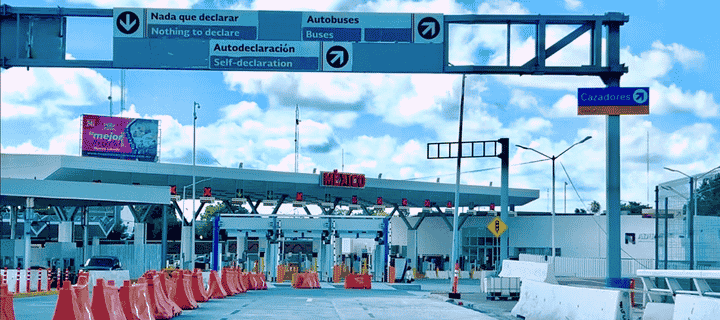
For first-time drivers crossing the Mexican border, staying calm and informed is key. Make sure to purchase Mexican auto insurance online before your trip to avoid last-minute hassles. When approaching the border, pay attention to lane signs—choose the “Nothing to Declare” lanes if you don’t need to declare items, or the “Declarations” lanes if you do. Be prepared to stop at traffic lights and follow instructions from customs officers, who may ask to inspect your vehicle. Having your documents in order and being polite will help ensure a smooth and stress-free crossing experience.
Before You Cross, Make Sure You Have Mexican Auto Insurance. Get Covered with Sanborn’s in Minutes.
Wherever you decide to travel inside the borders of our southern neighbor, it never hurts to have an experienced friend along for the trip. Our professionals at Sanborn’s Mexico Car Insurance have been helping Americans plan their stress‑free drive into Mexico for 75 years. Check our website for tips and suggestions and give us a call at (800) 222‑0158. You can purchase the necessary car insurance through our website, as well. And, of course, you are always welcome to stop by one of our many convenient locations along the U.S./Mexico border for a friendly chat.
Frequently Asked Questions About Crossing the Mexican Border by Car
What is the safest border crossing into Mexico by car?
Safety depends heavily on sticking to toll highways (cuotas) and traveling during daylight hours. The safest border crossing often depends on your destination and current travel conditions, so there is no single best option for every trip. However, experienced travelers commonly recommend certain ports of entry based on convenience and traffic patterns. For example, the Colombia Solidarity Bridge is a popular choice for travelers heading into Nuevo León because it bypasses downtown Nuevo Laredo. If you’re traveling to Tijuana, the Otay Mesa Port of Entry can help you avoid much of the city’s traffic. For travelers heading to Monterrey through Reynosa, the Anzaldúas International Bridge is another commonly recommended option. Before your trip, check current road and security conditions and choose the crossing that best fits your route.
What time of day has the shortest wait at the Mexico border?
In general, early morning is the best time to cross into Mexico by car. Arriving shortly after the port of entry opens can help you avoid the heavier traffic that often builds later in the day, especially on weekends, holidays, and other peak travel periods. Crossing during daylight also makes driving easier and can improve visibility on unfamiliar roads. Before you leave, have all your required documents readily accessible to help keep the inspection process as smooth and efficient as possible.
Do I need special insurance to drive into Mexico from the US?
Yes, U.S. auto insurance is not recognized by Mexican authorities, so you must purchase Mexican auto insurance before crossing the border. This insurance usually includes liability coverage, legal assistance, and medical payments, and can be conveniently purchased online ahead of time to simplify the crossing process.
Which Mexico border crossing is best for driving to Rocky Point?
For most travelers driving to Rocky Point (Puerto Peñasco) from Phoenix or Tucson, the Lukeville Port of Entry is the preferred and most direct route. If you’re driving from Southern California, the San Luis Port of Entry is another option, although it typically involves a longer drive to Rocky Point. Before your trip, check the Lukeville Port of Entry’s operating hours and current conditions, as hours may vary during peak travel periods.
How long does it take to cross the Mexican border by car?
The time it takes to cross into Mexico by car depends on the port of entry, time of day, season, and the documents you need to process. If you’re simply entering the country, the crossing may be relatively quick. However, if you’re traveling deeper into Mexico and need to obtain or validate a Temporary Vehicle Importation Permit (TIP), Forma Migratoria Múltiple (FMM), or other travel documents, the process can take significantly longer, especially during holidays and other peak travel periods.
To help reduce delays, apply for eligible permits online before your trip whenever possible and have all required documentation ready before arriving at the border. Planning ahead is especially important if you’re traveling during busy seasons.


Ready To Get A Quick Quote?

